


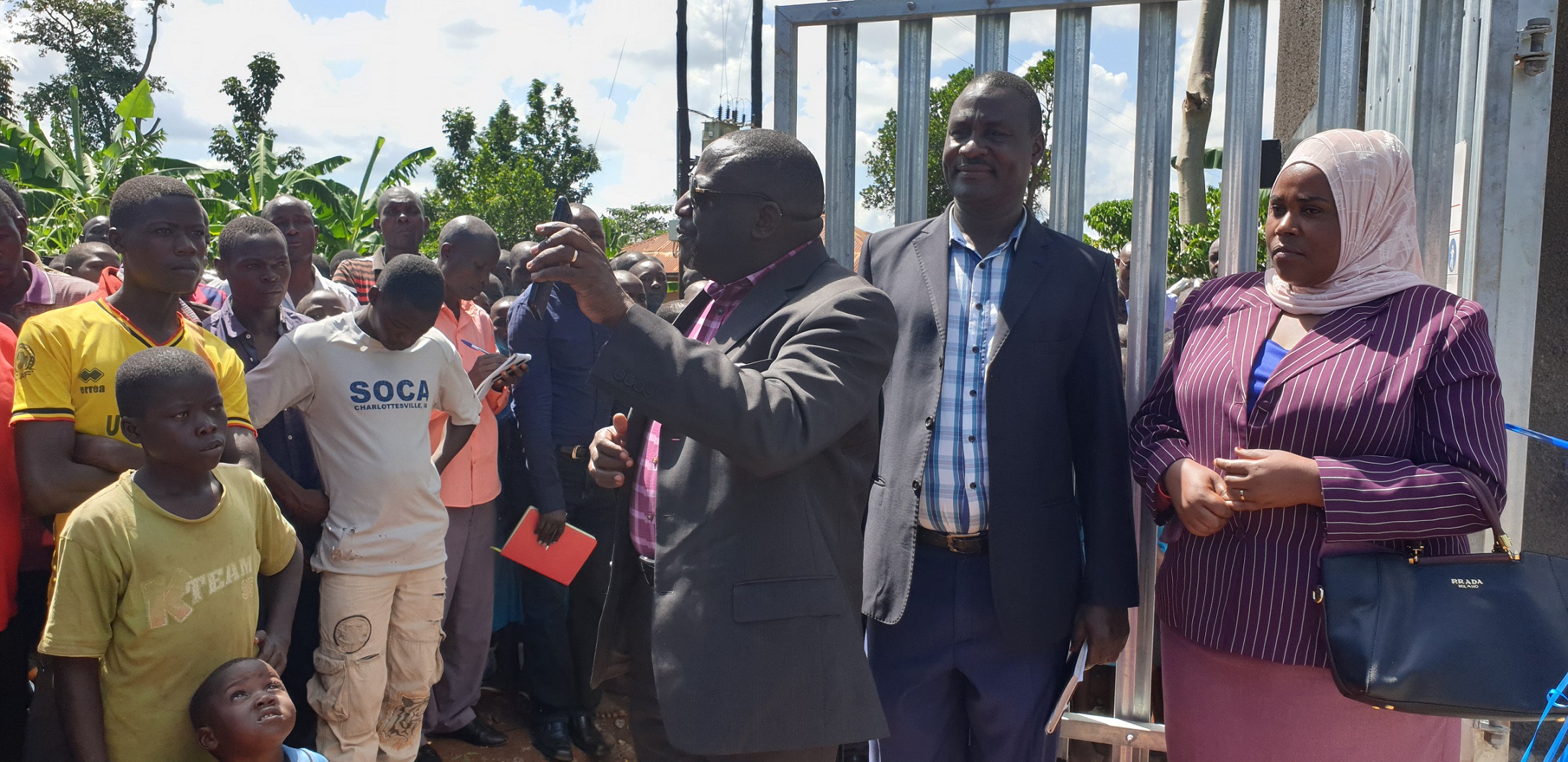
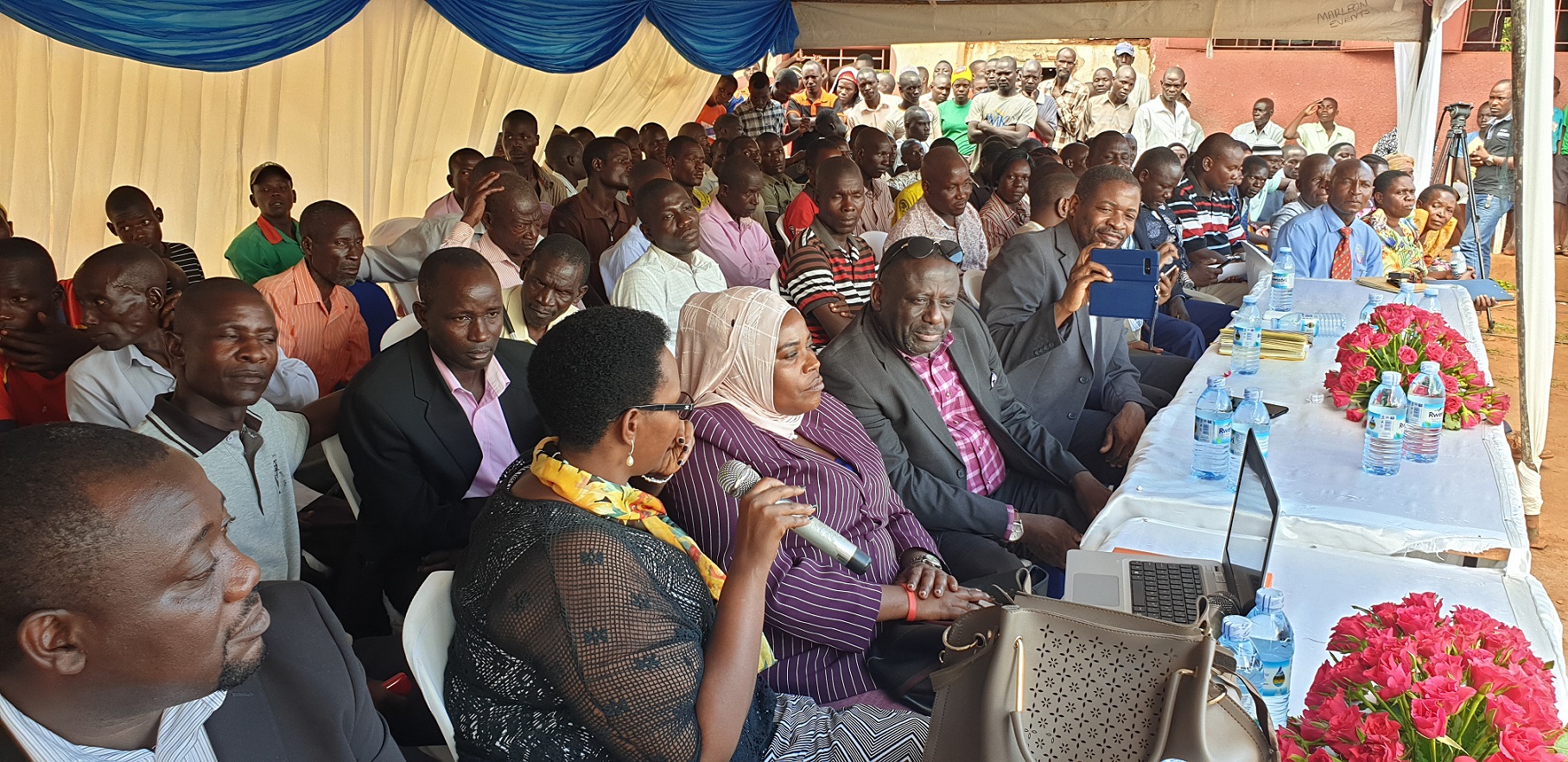
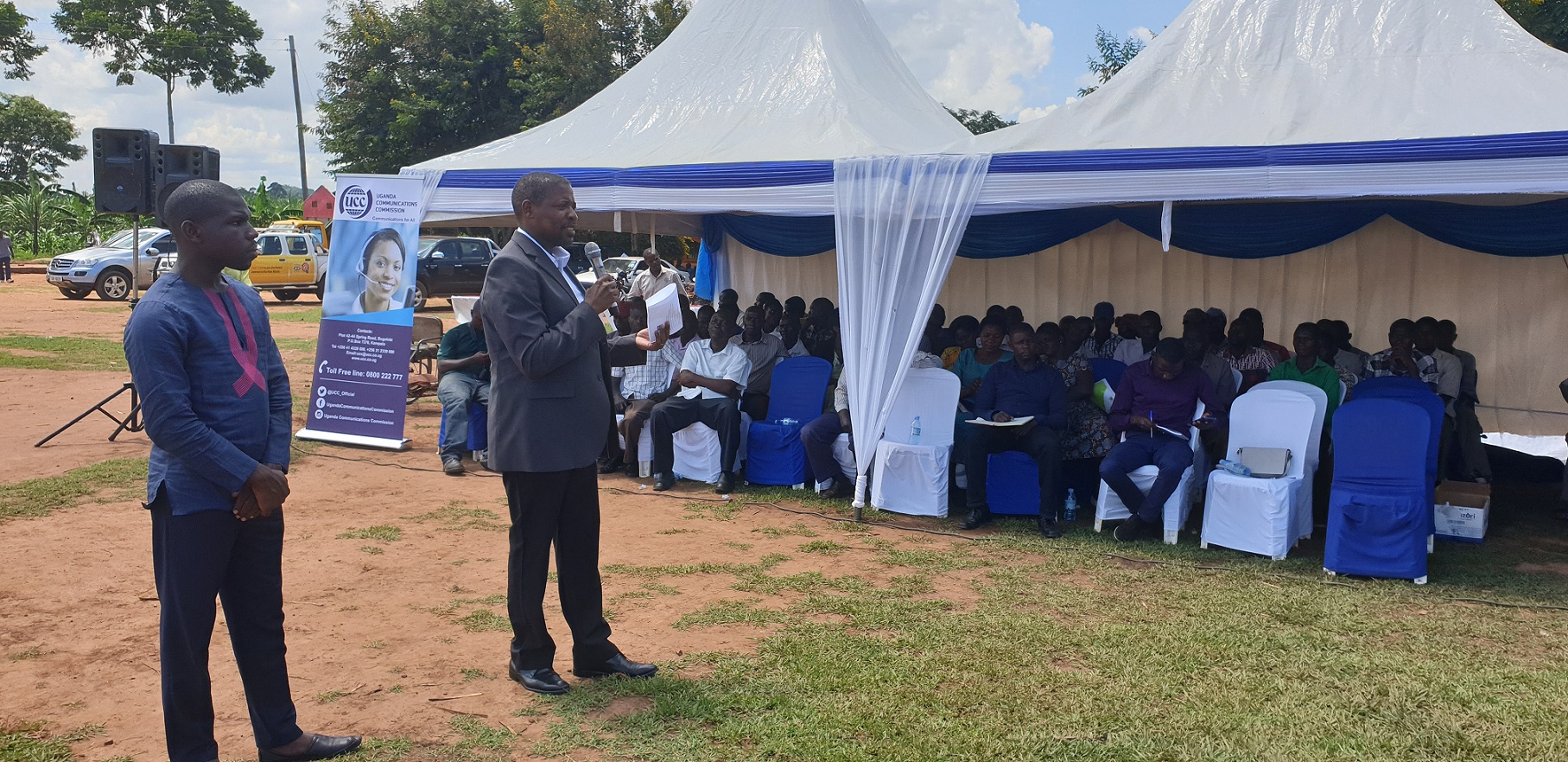
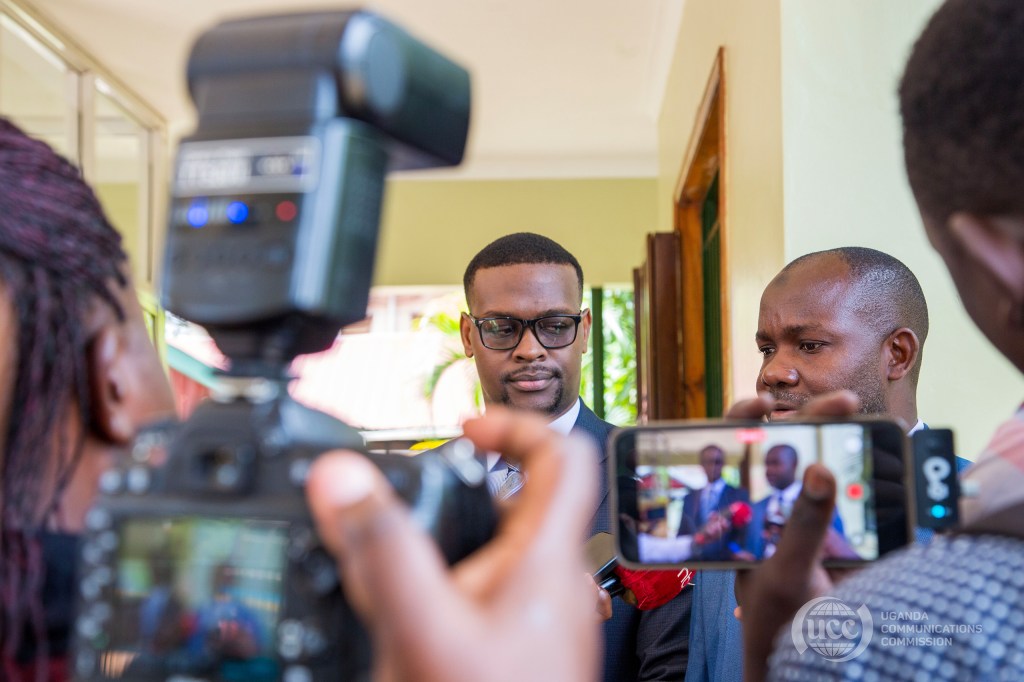
The Uganda Communications Commission has today Thursday 30th May 2019, launched twenty-two (22) Third Generation (3G) base stations for broadband connectivity in Uganda, and the main event was held at Namaganga in Jinja.
The 3rd RCDF Policy is focusing on broadband rollout, a significant shift from the earlier projects implemented during the First and Second RCDF Policies that focused on access and usage of communication respectively.
The core of the current RCDF Policy is to roll out Broadband service in unserved and underserved areas throughout the country in line with Uganda’s vision 2040 and the National Development Plan II because these two national agenda’s both recognize Broadband connectivity as critical for economic growth and as an enabler for socio-economic development.
The broadband rollout is also in line with the United Nations Sustainable development goal 9: “Build resilient infrastructure, promoting sustainable industrialization and fostering innovation” which stresses that access to information and communication technology (ICT), particularly broadband Internet, has the potential to serve as a major accelerator of development.

To drive the development of a robust communications sector in Uganda, the Commission under the Rural Communications Development Fund is increasing broadband access in the Unserved and underserved areas all over the country. This will help to reduce rural connectivity challenges and advance broadband connectivity goals set forth by the Government of Uganda.
While there has been unprecedented growth within the communications sector in recent years, characterized by advancements in broadband technologies, some Ugandans are still not connected to broadband due to geographical, technological and financial challenges.
This launch marks the successful conclusion of a project financed by the Uganda Communications Commission through the Rural Communications Development Fund (RCDF) and implemented by MTN (U) Ltd. The fund contributed over Three Billion Shillings (3,042,590,477) as a subsidy towards these upgrades. Some existing base stations were upgraded from 2G to 3G while others have newly been built to deliver 3G connectivity.
The government, the international community and private, and the public sector have all acknowledged the importance of bridging the digital divide to foster economic growth and social inclusion. As a country, we are striving to build a trusted high-speed ICT infrastructure as a move towards achieving the global ICT development agenda.
This intervention directly addresses the infrastructure and connectivity thematic area of the National Broadband Policy which is also one of the RCDF III Strategic focus areas. The key targets from the thematic areas include;
- Minimum broadband speeds of 3Mbps by 2020
- Broadband access penetration of 50% and 100% in villages and urban areas respectively
- 100% access to District and Sub-county headquarters, Health centre IVs, tertiary Institutions and Secondary schools
- Cost per Mbps of broadband in relation to average income reduced to 10% by 2020
The 22 locations that have benefited from this project are the following:
Kikuube (Kiswazi); Kyegegwa (Munsambya); Kamwenge (Kabuga); Ntungamo (Nyakyera); Bushenyi (Ryensibo); Kibingo (kabutsye); Bwera (Bikunya); Kabale (nyakihanga); Kibaale (Kakindo); Ibanda (Rwengwe); Kisoro (nyakarambi); Mityana (Butagunju); Kumi (Ongino); Kalangala (Kalangala); Abim (Nyakwae); Buhweju (Nsiika); Buikwe (Senyi); Kalangala (Bubeke); Kotido (Nakapelimoru); Kiruhura (Kitura); Jinja (Busede); Katakwi (Usuk)



 THE COMMUNICATIONS BLOG
Leave a reply to thembo Cancel reply