


In recent years, Kampala, Wakiso and other urban areas in Uganda have experienced an explosion of telecommunication poles and wires resulting from the rapid expansion of internet services. While high-speed internet is crucial for modern living, the shabby appearance of our urban neighbourhoods, littered with unkempt clusters of poles and wires, raises concerns about order and aesthetics. It’s vital to explore how we can balance the roll out of telecommunication infrastructure and orderly urban living.
In 2021, Uganda Communications Commission (UCC) introduced Infrastructure Deployment and Sharing Guidelines to provide a framework for telecom operators to share essential infrastructure, such as poles, ducts, and underground cabling. Unfortunately, compliance has been inconsistent.
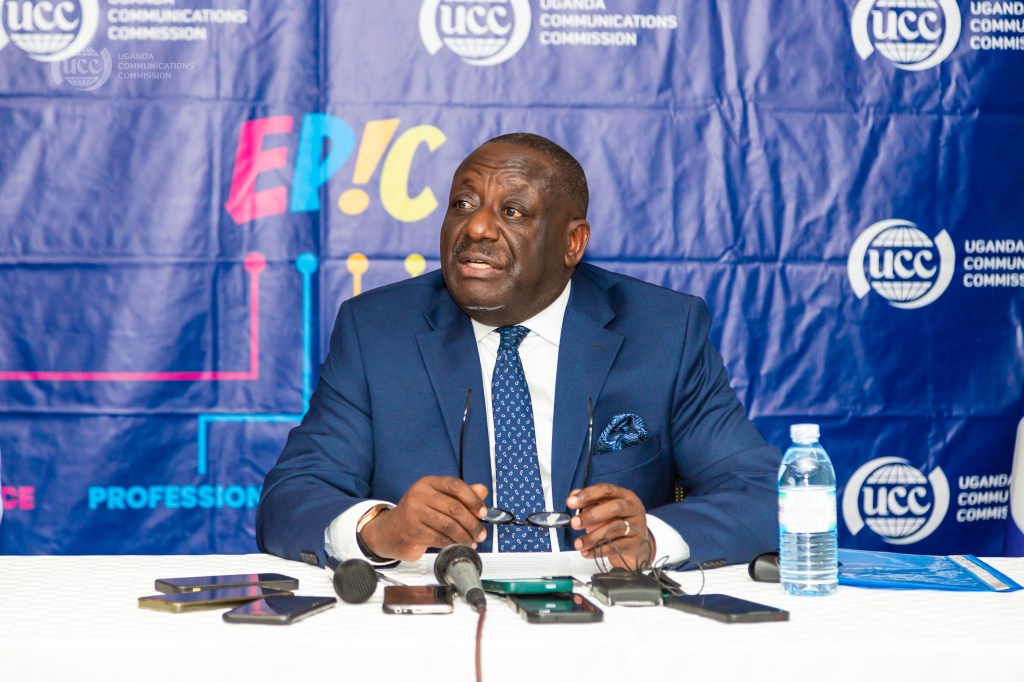
UCC has now initiated audits to identify areas plagued by this challenge with a view to encourage consolidation of such installations by the Internet Service Providers (ISPs). UCC is also implementing stricter technical standards regarding pole installation, including height, spacing, trenching, and cable tagging. These measures will not only improve safety but also enhance the visual appearance of our cities. Furthermore, the introduction of infrastructure mapping based on a Geographical Information System (GIS) aims to promote transparency and ensure the efficient tracking of ongoing projects.
To that end, a multi-stakeholder high-level working group was established in April 2025, comprising CEOs and directors from various agencies, including the National Information Technology Authority-Uganda (NITA-U), Uganda Electricity Distribution Company Limited (UEDCL), and leading telecom operators. This group collaborates on strategies to streamline infrastructure installations by encouraging and coordinating infrastructure sharing.
The underground revolution
Fixing surface clutter can benefit from the lessons learnt from underground infrastructure, which is not only cleaner but also safer. Here, a collaborative effort involving stakeholders such as the Ministry of Kampala Capital City and Metropolitan Affairs, Ministry of Works and Transport, National Water and others in the same category has ensured coordinated planning of infrastructure developments such as road construction, drainage channels, as well as underground telecommunication corridors.
In 2024, stakeholders from the Internet Service Provider (ISP) community contributed to designing these underground corridors to accommodate the needs of telecommunication services, starting with Kampala and the surrounding metropolitan areas of Wakiso, Mukono and Mpigi.
Significantly, many providers are already harnessing the benefits of aggregated underground networks, promoting a “carpooling model” for infrastructure. This approach not only reduces costs but also keeps our urban spaces clean and organised. It exemplifies the collaborative spirit that is essential for sustainable urban development.
Moving forward together
Ultimately, addressing the clutter of telecommunication infrastructure goes beyond simply enforcing regulations; it’s about fostering a collaborative spirit among stakeholders. By promoting a “share more, dig less” mentality, we can maintain a balance between unimpeded connectivity and the aesthetic integrity of our cities.
Therefore, the steps being taken to promote telecommunication infrastructure sharing, including the development of underground corridors, herald a future where connectivity doesn’t come at the expense of our city’s beauty. Together, we can navigate the complexities of our evolving telecommunications landscape, while ensuring that our cities remain vibrant and orderly spaces for their residents.





 THE COMMUNICATIONS BLOG
Leave a comment