


Broadcasting in Uganda dates back to 1954 when the colonial administration set up Uganda Broadcasting Services that was later renamed Radio Uganda after independence in 1962.
Even with the introduction of television in 1963, radio remained the most reliable and preferred source of information for most Ugandans. This is because radio is relatively affordable, portable, convenient, requires no electricity which is not available in many areas, regularly carries local news and programming in local languages and often fills gaps in hard-to-reach areas.
The liberalisation of the media in the 1990s resulted in an explosion of radio broadcasting with hundreds of broadcasters coming on board. Today, Uganda has 283 licensed radio stations.
One would have thought that the digitalisation and convergence of the news media would seal the fate of radio, as the internet gains traction, but radio has resiliently held onto its top position, with several studies maintaining that it’s the biggest source of news and information for majority of people.
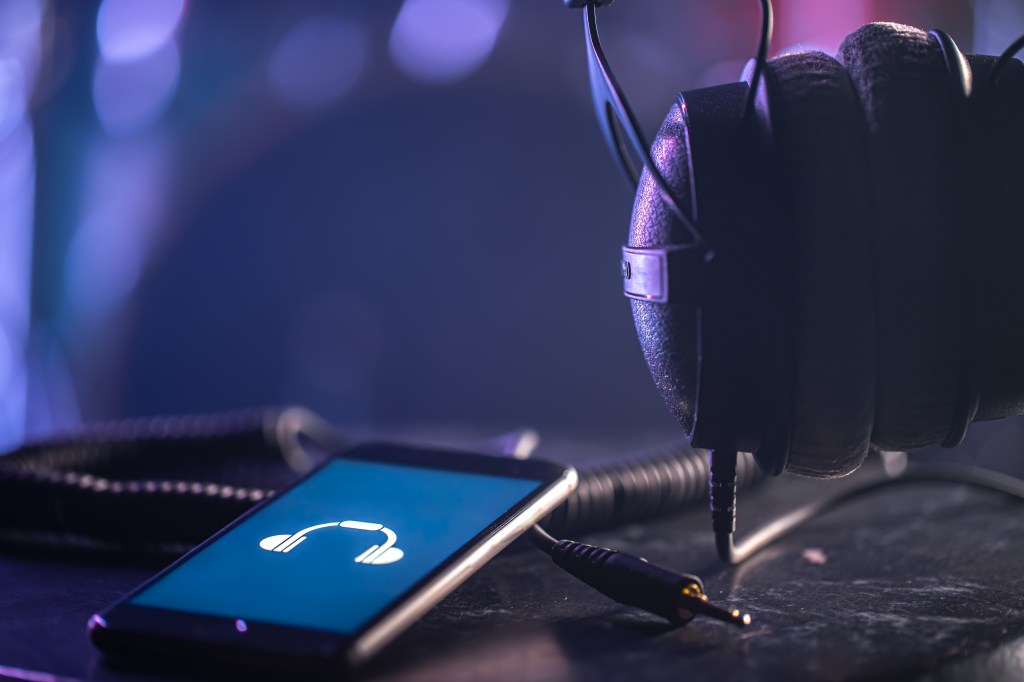
Radio has also evolved alongside the rapid evolution of technology, with online radio and digital radio broadcasting slowly gaining traction.
Despite the large number of licensed radio stations, spectrum – the main channel of service distribution – is a finite resource. To address this gap, online radio, which relies on internet-based streaming technology for transmission has become an option.
Another option is Digital Audio Broadcasting. In September 2023, Uganda Communications Commission launched a one-year pilot project to test the efficacy of digital audio broadcasting in Kampala and surrounding districts. Digital Audio Broadcasting would free up more spectrum, which could be allocated to the improvement of other communication services.
World Radio Day was proclaimed in 2011 by UNESCO Member States and adopted by the United Nations General Assembly in 2012.
This year, World Radio Day is dedicated to “Radio and Climate Change” to underline the work of radio professionals and journalists in highlighting the critical issue of climate change.
In her message to mark this day, Ms Audrey Azoulay, the Director-General of UNESCO said: “This year, we are paying tribute to the different ways in which radio serves as a tool for adapting to and mitigating the effects of climate disruption in our rapidly changing world”
Today we celebrate one of the greatest media channels ever invented. Radio has stood the test of time and remains one of the most dependable and widely utilized forms of media in the world.
Uganda Communications Commission wishes all radio broadcasters and journalists a happy World Radio Day!


 THE COMMUNICATIONS BLOG
Leave a comment