

The World Telecommunication Standardization Assembly 2024 (WTSA24), which recently concluded in New Delhi, India, brought together global experts, policymakers, and industry leaders to shape the future of telecommunications. The Uganda Communications Commission (UCC) was actively represented, with Ugandan delegates participating in discussions, bilateral engagements, and strategic dialogues on critical topics. This blog provides an overview of WTSA24’s outcomes and the opportunities they present for Uganda’s telecommunications landscape.

What is WTSA?
The WTSA is a high-level assembly held every four years by the International Telecommunication Union (ITU). It focuses on setting standards and policies that guide the telecommunication and ICT sectors worldwide. WTSA24’s themes included the promotion of digital inclusion, Artificial Intelligence in telecommunications, cybersecurity, and sustainable digital infrastructure – all essential areas for Uganda’s growing ICT sector.
Key Resolutions and Their Implications for Uganda
- Digital Public Infrastructure (DPI) Standards – WTSA24 emphasised the importance of standardised Digital Public Infrastructure, including digital IDs, payment systems, and secure data exchange. This resolution aims to support seamless integration across digital platforms.
By adopting Data Protection and Interoperability (DPI) standards, Uganda can improve its digital services and enhance interoperability, which will positively impact both public services and foster innovation within the private sector. To achieve this, UCC should establish partnerships with local and international stakeholders to implement these standards, ensuring that DPI initiatives remain accessible, secure, and inclusive.
- AI in Telecommunications – AI is transforming telecommunications by optimizing network management, enhancing customer experience, and providing predictive insights. WTSA24 has set standards to ensure AI use in telecommunications is ethical, secure, and interoperable.
In Uganda, integrating AI into telecommunications has the potential to enhance network reliability and increase customer satisfaction, as AI-driven solutions can address issues such as network congestion and improve service quality. To further this initiative, UCC supports the creation of AI policies that emphasize ethical and responsible use of AI while also promoting training programs for professionals in the field. In July 2024, UCC set up a taskforce to address various aspects of AI, including ethics, cybersecurity, consumer protection and best practices, among others.
- Environmental Sustainability in ICT – WTSA24 stressed the need for environmentally friendly digital infrastructure and sustainable practices in the ICT sector. Standards were proposed for energy-efficient technologies, e-waste management, and sustainable network practices.
Sustainability is essential for Uganda as the country expands its ICT infrastructure, and implementing standards for sustainable ICT practices will align with its goals for a green economy while reducing the environmental impact of digital growth. As the regulator of the communications sector in Uganda, UCC is committed to addressing the social, environmental, health and economic impacts of e-waste. In October 2024, UCC issued a call for partners to implement a pilot project on the collection of e-waste from ICTs as part of regulatory efforts to develop a functional framework for ICT e-waste management in Uganda.
Counterfeit Telecommunications Devices – Counterfeit and substandard telecommunication devices pose security risks and affect network quality. WTSA24’s resolution to combat counterfeit devices promotes device authentication and security standards.
In Uganda, addressing counterfeit devices is crucial for protecting consumers and enhancing network quality, as authenticating devices builds user trust and mitigates the risks associated with unregulated products. To this end, a few years ago UCC launched a public awareness campaign to educate consumers on the importance of using certified telecommunications devices. The on-going campaign code-named ‘Simu Klear’ involves mobilising stakeholders to join hands to eliminate counterfeit mobile devices from the Ugandan market.
- Standards for the Metaverse – With the rise of virtual reality and the metaverse, WTSA24 has initiated standardisation efforts to create secure and inclusive virtual environments.
As Uganda embraces digital transformation, the metaverse presents new economic and social opportunities, making it crucial to establish safety and accessibility standards in virtual spaces. To effectively explore digital innovation, UCC should consider forming partnerships with global tech firms to pilot metaverse-related projects, ensuring that Ugandan interests are represented in the development of virtual standards.
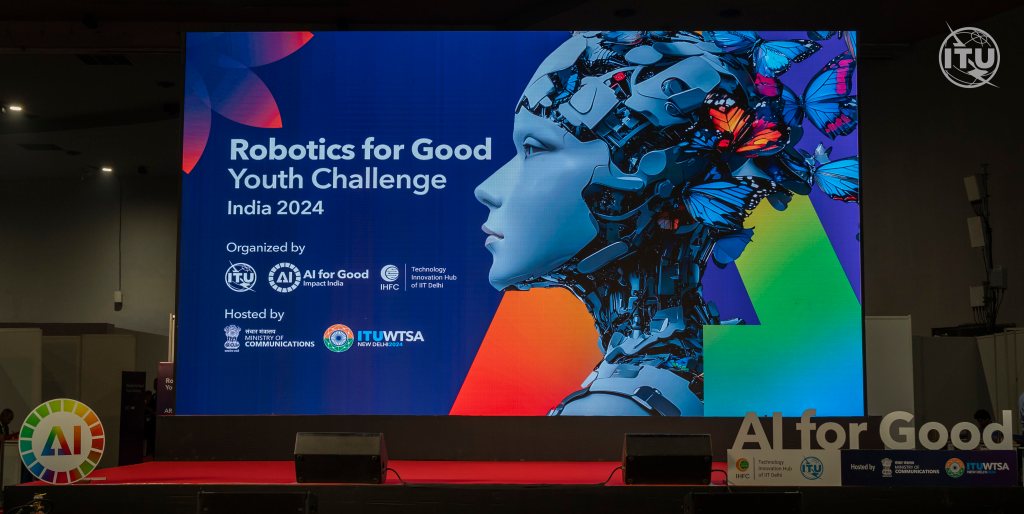
- Youth Engagement in Standardization – WTSA24 recognised the importance of involving young professionals in standardisation activities to foster innovation and sustainability in telecommunications.
Engaging young professionals in international standardization efforts is crucial for Uganda’s development, as it helps build expertise and fosters a talent pool that can drive future advancements in Information and Communication Technology (ICT). To facilitate this, UCC can establish mentorship programs and provide opportunities for Ugandan youth to participate in ITU-led activities, including hackathons and innovation challenges.
Looking Ahead: WTSA24’s Long-term Impact on Uganda
WTSA24’s resolutions present opportunities for Uganda to align with global standards and make substantial progress in areas such as digital public infrastructure, AI, sustainability, and device security. By adopting these standards, Uganda can enhance its telecommunications framework, ensure sustainable growth, and promote digital inclusion. The Uganda Communications Commission is well-positioned to drive these initiatives forward, ensuring that Uganda’s ICT policies and practices remain on the cutting edge. WTSA24 has laid the groundwork, and UCC’s active involvement will ensure that Uganda’s telecommunications sector is prepared to meet the challenges and opportunities of the future.


 THE COMMUNICATIONS BLOG
Leave a comment