

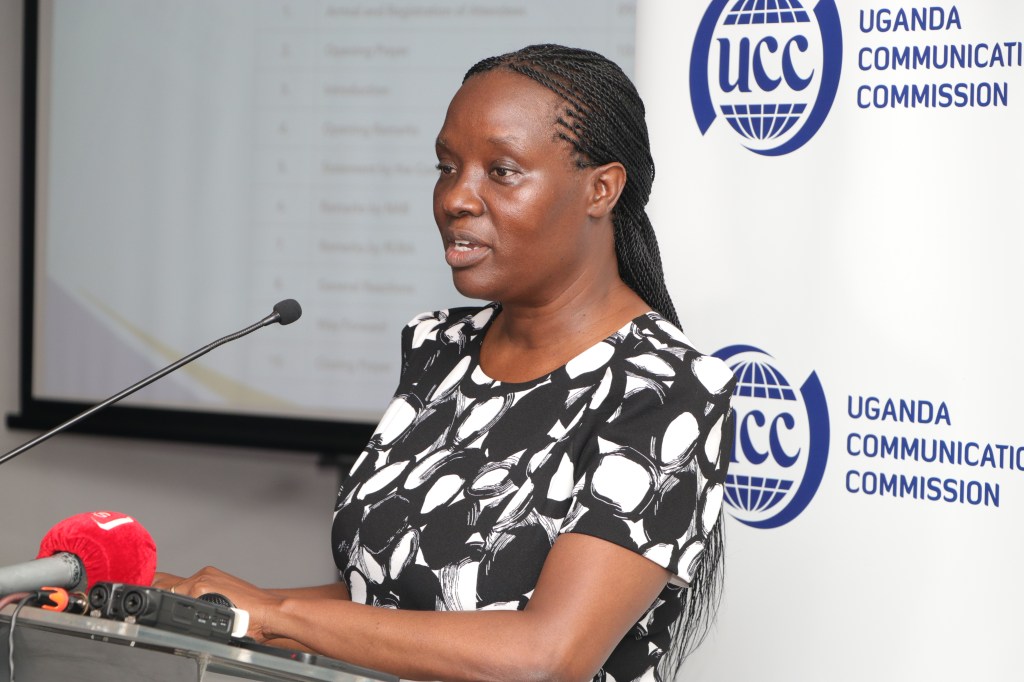
KAMPALA, October 23, 2024 – Broadcasters have been cautioned to stop inappropriate content on radio, TV and online media platforms or risk stern regulatory sanctions.
The Ag. Executive Director of Uganda Communications Commission (UCC), Ms Susan Wegoye, told a stakeholders’ engagement held at the UCC head office in Bugolobi that compliance is not optional.
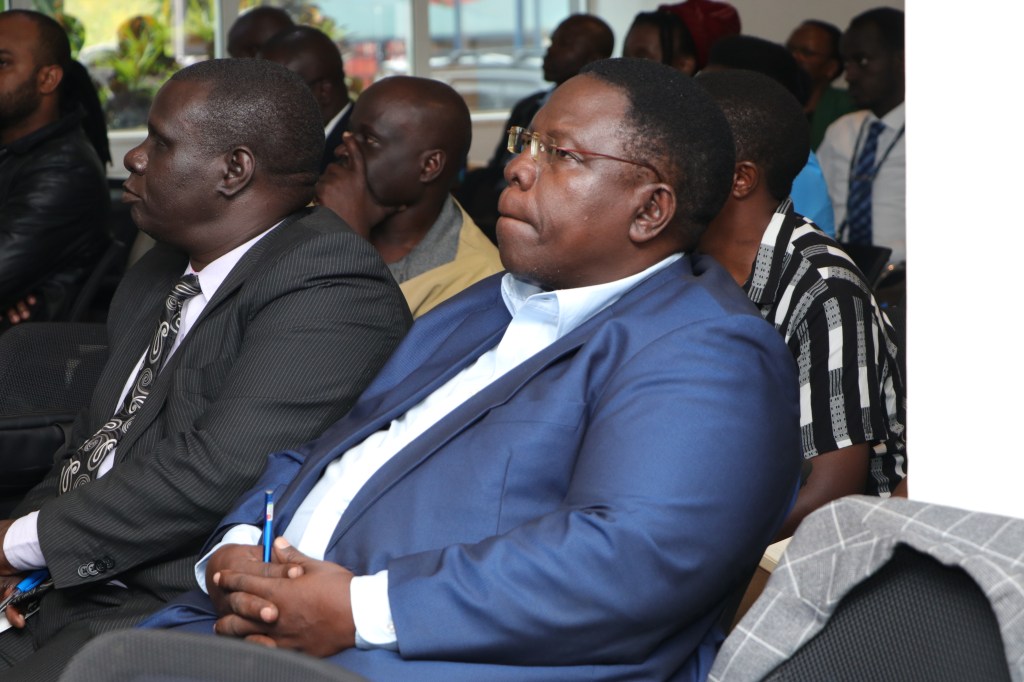
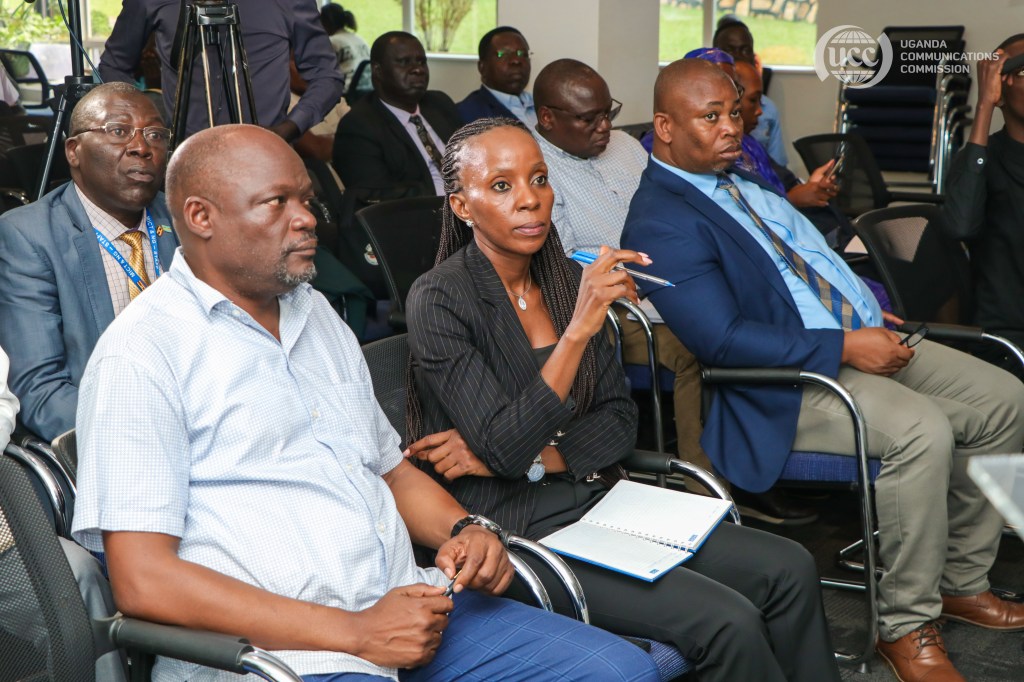
The event, which attracted various stakeholders from Ministry of ICT and National Guidance officials, Media Council, and broadcasting associations was organised as part of efforts to address the resurgence of inappropriate content across various media platforms, which has led to a public outcry.
The content in question, the Ag. Executive Director explained, manifests in music lyrics, videos, and interviews loaded with scantily dressed performers who engage in sexually suggestive dances, as well as songs themselves filled with explicit sexual innuendos and inappropriate messages.
Ms Wegoye, who is substantively Commission Secretary and Director Legal Affairs at UCC, cautioned that airing such content is in direct violation of the Minimum Broadcasting Standards, which are enshrined in Section 31 and Schedule 4 of the Uganda Communications Act, 2013.
Broadcasters “must ensure that any programme aired aligns with public morality, complies with existing laws, and that adult-oriented content is appropriately scheduled,” according to these standards. Furthermore, inappropriate content breaches the Uganda Communications (Content) Regulations, 2019.
Despite previous warnings and reminders—including official letters issued on 9th August 2021 and 25th October 2023—some broadcasters continue to disregard these legal obligations, Ag. ED said, warning of regulatory consequences for offenders.
As part of efforts to clean up the airwaves, UCC recently directed all broadcasters to ensure that all content, including music videos and audios, is properly classified by the Media Council before it’s aired, in line with the Press and Journalist Act, Cap. 105.
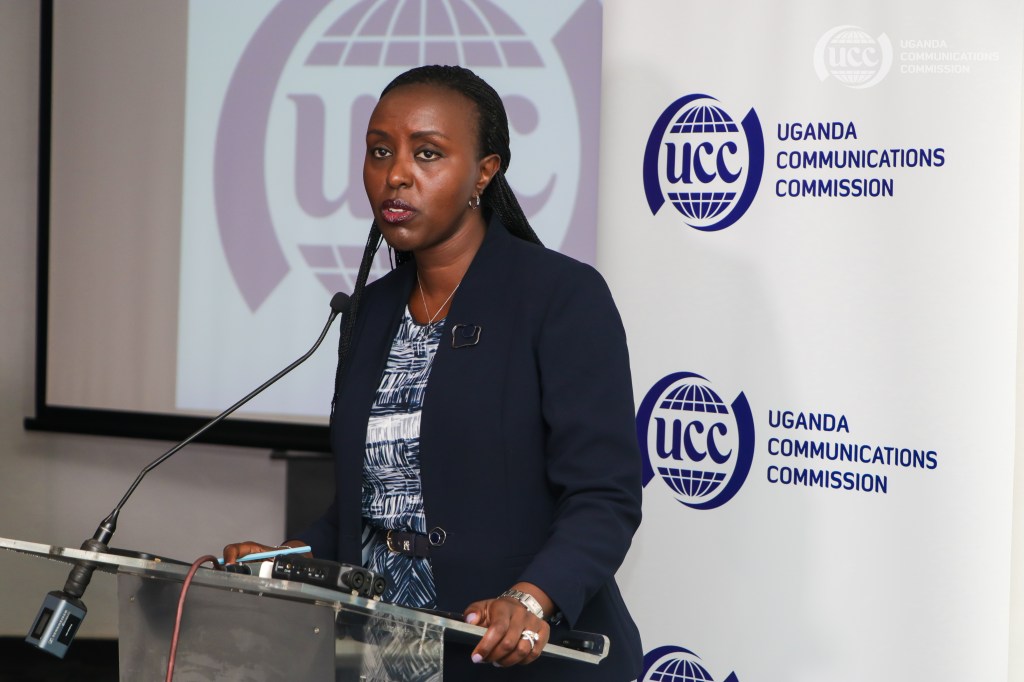
Ms. Julianne Mweheire, the Director Economic Regulation, Content and Consumer Affairs, appreciated the relationship UCC has with broadcasters and particularly National Association of Broadcasters (NAB) and Rural Broadcasters Association (RUBA). She said these associations have continually played a crucial role in facilitating engagement and feedback between the regulator and the industry.
She told the broadcasting community that they hold a powerful role in shaping public discourse and influencing societal values, alongside the responsibility to educate, inform and entertain our society, which demands significant accountability to society.
One of the key functions of the minimum broadcasting standards is to protect younger audiences and vulnerable groups from harmful or inappropriate content, Ms Mweheire said, adding that adhering to broadcasting standards helps build trust between broadcasters and their audiences, and ensuring that viewers feel confident in the content they consume.
“When you uphold these standards, you build trust with your viewers. Trust is the foundation of any successful broadcaster, and it is earned through consistency in your commitment to ethical practices,” she said, referring to the public outcry about bad content on radio, television and online media.
She warned that UCC is going to act decisively against broadcasters who fail to comply.
On his part, Dr Innocent Nahabwe, the chairman National Association of Broadcasters (NAB), said the issue emanates from liberalization of the sector, which has fueled strong competition, tempting some operators to choose obscene content in a bid to outcompete rivals. He challenged members of the association to engage in healthy competition without going for harmful content, which he admitted is popular with a section of audiences.
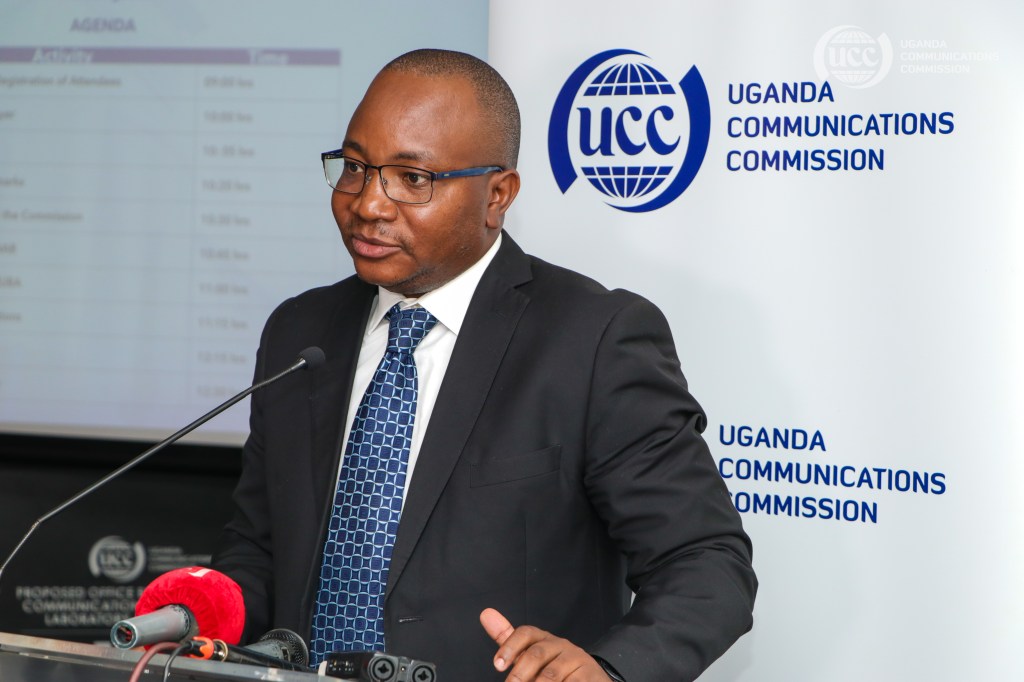
Dr Nahabwe said NAB is committed to working with UCC and other stakeholders to improve Uganda’s broadcasting hygiene by abiding with watershed provisions, which provide for certain content being broadcast after 10:00p.m., when it’s presumed that children are asleep.
On getting content classified by the Media Council, he pointed out that the charges attached to doing so are prohibitive and wondered whether they have the requisite capacity to do it.
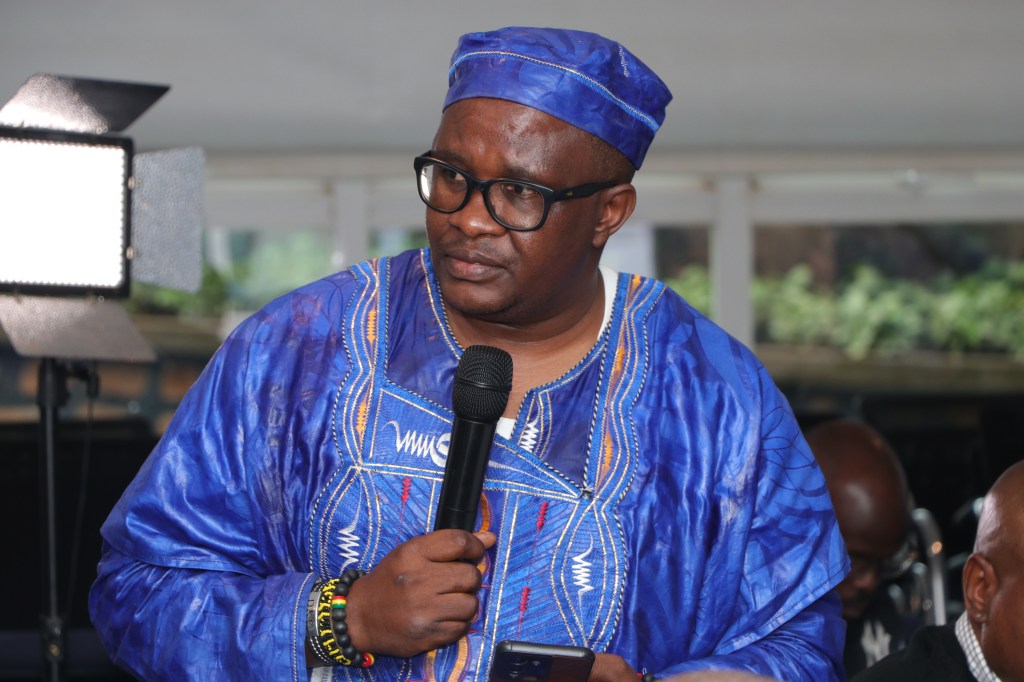
One of the participants, Andrew Irumba, wondered how indecent songs bypass the program directors of broadcasting entities, accusing them of supporting music that is laced with obscenities and sex innuendos. If all media houses ignore obscene songs, artists will stop singing such songs, he said.
Most of the speakers from the audience, who included veteran artists such as Diplock Ssegawa, Phina Mugerwa, and Daniel Kazibwe (Ragga Dee), decried the proliferation of dirty content on the airwaves and called on broadcasters not to be driven by money per se but think of the country’s moral welfare too.
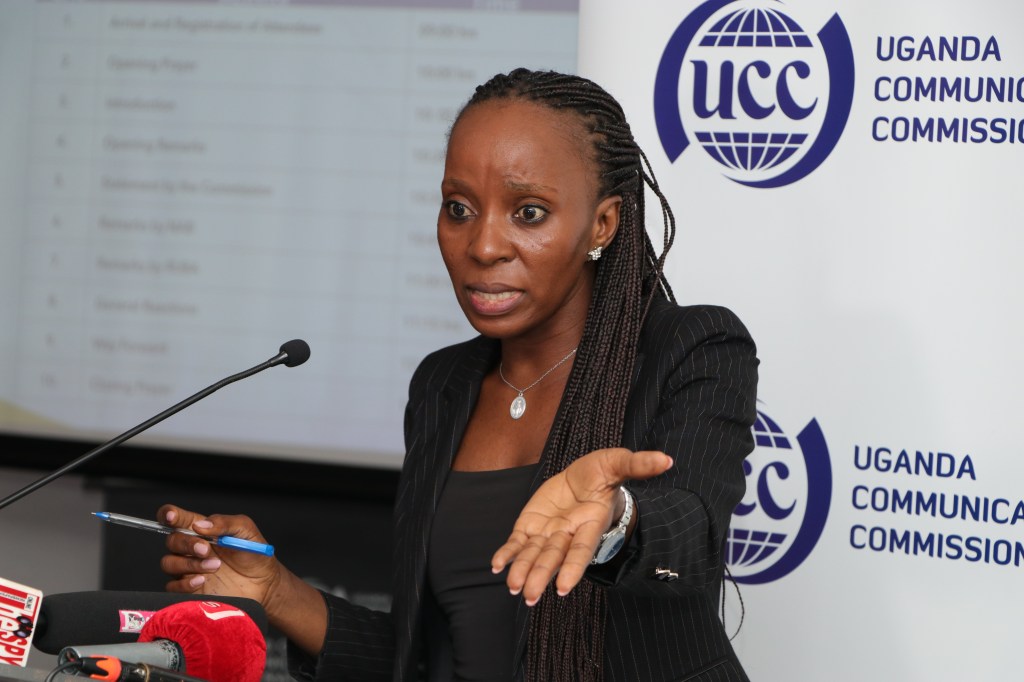
Said Ms Mugerwa: “We are losing ubuntu. Besides looking for money; are we thinking about Uganda? Are we thinking about our children? Are we minding about the next generation?”

 THE COMMUNICATIONS BLOG
Leave a comment